Jamaican Food Ideas for a Caribbean-Themed Dinner

A Caribbean-themed dinner can go in a dozen directions, but if you want a table that feels warm, generous, and unmistakably vivid, Jamaican food is one of the strongest places to start. It has range. You can build a meal around smoke and heat, keep it mellow and comforting, or strike a careful balance between fiery, savory, sweet, and cooling. Done well, a Jamaican-inspired dinner does not feel like a novelty night with a few tropical decorations. It feels grounded, memorable, and deeply satisfying.
The appeal is not just the seasoning, though seasoning matters a great deal. Jamaican cooking brings together practical home cooking, celebration food, street food instincts, and centuries of influence from Africa, Europe, India, China, and the wider Caribbean. That is why a Jamaican dinner menu can move so naturally from jerk chicken to rice and peas, from fried plantain to escovitch fish, from rich curry goat to a simple slaw with lime.
For hosts, that variety is useful. You can design a dinner that suits a backyard cookout, an apartment supper for six, or a polished evening with cocktails and plated mains. The smartest way to plan it is not to chase every famous dish at once. It is to choose a center of gravity, then support it with sides and sauces https://brooksgmrk081.lowescouponn.com/jamaican-food-for-beginners-where-to-start that make the meal feel complete.
Start with the kind of evening you want
Before you settle on recipes, decide what sort of dinner you are actually serving. Jamaican food can be rustic and communal, which is often where it shines, but it can also be elegant when you manage the portions and pacing.
If your guests will be standing around a patio with drinks in hand, grilled jerk meats, patties, and fruit-forward sides make sense. If everyone is sitting down for a slower meal, choose one substantial main and give it room. Curry goat with rice and peas, for instance, needs very little competition. Add one vegetable side, one fresh element, and maybe a dessert with coconut or rum, and you have a complete dinner.
I have seen hosts make the same mistake more than once: they try to serve jerk chicken, oxtail, curry goat, fried fish, patties, and three starches in one sitting. It sounds generous, but the result is heavy, chaotic, and expensive. Jamaican food rewards restraint. A focused menu lets each dish speak clearly.
The anchor dish sets the whole tone
Most Jamaican dinners work best when one dish leads. Everything else should support it, contrast with it, or cool it down.
Jerk chicken is the obvious choice for good reason. Proper jerk has layers, not just heat. Allspice, thyme, scallion, garlic, ginger, Scotch bonnet, and often a touch of sweetness create a marinade that hits smoke, spice, and aromatic depth at once. Grilling it over charcoal adds the edge people expect, though a hot oven or grill pan can still produce a strong result if you compensate with a little extra char and careful basting. Bone-in chicken pieces are generally more forgiving than boneless cuts, especially if you are cooking for a group.
Curry goat gives a dinner a different energy. It is slower, richer, and more intimate. The sauce should be full-bodied and savory, with tender meat that has had time to absorb the spices. This is the dish I reach for when I want guests to settle in at the table rather than graze. It also has a practical advantage: it improves after a day in the fridge, which makes entertaining much easier.
Oxtail occupies a similar comfort-food space, but with even more richness. It is a beautiful choice for a cooler evening or a holiday dinner, less ideal for a hot outdoor party where people want lighter plates and second drinks.
Escovitch fish brings brightness and acidity. Fried whole fish topped with a sharp peppery vegetable mixture can be spectacular, though it asks more of the host. Fish timing is less flexible than braised meat, and serving whole fish requires guests who are comfortable navigating bones. Still, when the crowd appreciates seafood, it can be the most striking dish on the table.
For a mixed group with vegetarians, a well-made vegetable rundown or a Jamaican-style curry with chickpeas, potatoes, and pumpkin can hold its own. The key is not to treat the meatless dish as an afterthought. It needs body, spice, and enough richness from coconut milk or slow-cooked onions to feel intentional.
A menu that works in real life
If you want a dinner that feels generous without becoming unmanageable, this combination is reliable:
- jerk chicken
- rice and peas
- fried ripe plantain
- cabbage with thyme and carrots
- mango or pineapple slaw
That menu covers nearly everything a host needs. The chicken delivers the signature flavor. Rice and peas provide comfort and soak up juices. Plantain adds sweetness. Cabbage brings something savory and soft, while the slaw keeps the plate from feeling too heavy. It is also a practical menu because only the chicken demands last-minute attention.
You can shift the same structure to suit another main. With curry goat, I would keep the rice and peas, reduce or skip the plantain if the rest of the meal is already rich, and lean harder on a crisp slaw or cucumber salad. With escovitch fish, I would replace the slaw with festival or bammy and make sure there is a cooling sauce or fresh fruit nearby.
Rice and peas are not optional in spirit, even if they are optional on paper
There are some dinners where a side dish is just filler. That is not the role of rice and peas in Jamaican food. It is part of the architecture of the meal. Coconut milk gives the rice fragrance and a little richness. Thyme, scallion, and often allspice tie it back to the larger flavor profile of the table. The peas, usually kidney beans, make it more substantial and savory.
A lot of cooks underestimate how much attention this dish deserves. If the rice is mushy, underseasoned, or blandly coconut-heavy, the entire plate feels flatter. Good rice and peas should be distinct, savory, and aromatic. It should not taste like dessert rice with beans mixed in. The coconut is there, but it should not dominate.
If you are already serving a very saucy main, plain steamed rice can work, especially for guests who are spice-shy. But if the goal is a true Jamaican dinner atmosphere, rice and peas carry a surprising amount of that identity.
The side dishes that do the most work
The best side dishes at a Jamaican-themed dinner are not there to impress on their own. They regulate the meal. They cool heat, add texture, and keep rich mains from exhausting the palate.
Fried ripe plantains are one of the easiest wins. When they are deeply ripe, almost black-skinned, they caramelize beautifully and bring a soft sweetness that settles spicy food. The trade-off is that they can go from golden to burnt very quickly, and they lose some appeal if they sit too long. For a dinner party, I like to fry them close to serving time, then hold them briefly in a warm oven.
Steamed cabbage is often overlooked by guests until they try it. Cooked with onion, carrot, bell pepper, and thyme, it brings gentle sweetness and enough softness to complement firmer foods on the plate. It is especially useful when the main has a charred or heavily spiced exterior, as with jerk meats.
Festival, the slightly sweet fried dough often served with jerk, can be excellent for a more casual dinner. It is not always necessary, especially if rice and plantain are already on the plate, but for a party with outdoor seating and a looser rhythm, it adds a street-food quality people love. The only caution is balance. Too many starches make the meal drag.
Bammy, made from cassava, is another smart option with fish. It has a subtle flavor and pleasing chew, and it absorbs sauces well. If your guests are unfamiliar with it, that can be part of the charm, provided the rest of the menu remains easy to understand.
A fresh slaw deserves more respect than it usually gets. Shredded cabbage with lime, a touch of sugar, some chili, and maybe mango or pineapple can sharpen the entire meal. I often think of it as the thing that keeps guests going back for another few bites instead of setting down the fork halfway through.
Heat needs judgment, not bravado
Many people associate Jamaican food with extreme spice, but that is only half the story. Scotch bonnet peppers bring fruity, floral depth as well as heat. If you flatten that complexity into sheer burn, the meal becomes tiring.
For a dinner party, especially one with mixed tolerance levels, it is better to build flavor into the base dishes and control the final heat with condiments. A jerk marinade can be robust without being punishing. Then guests who want more fire can add pepper sauce at the table.
This is one place where experience matters. Hosts sometimes think they are being authentic by making everything very hot. In practice, a table where every component competes in intensity is not especially pleasant. One spicy main, one cooling side, one sweet element, and one fresh acidic note create a much more convincing and enjoyable spread.
Appetizers that fit the meal without ruining it
A Caribbean-themed dinner often begins with enthusiasm. Guests arrive expecting bold flavors and usually come hungry. That does not mean you should open with the heaviest options.
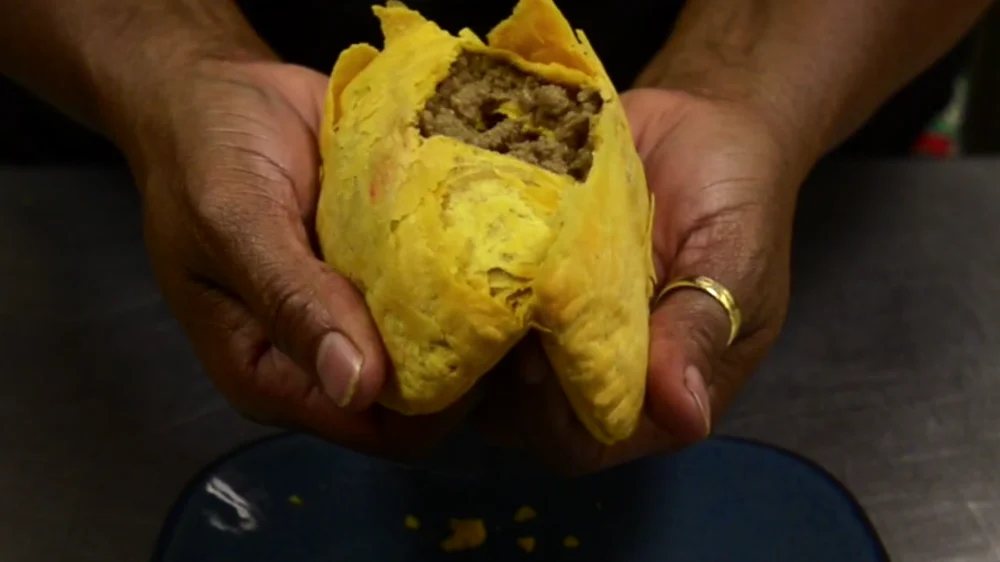
Jamaican patties are a strong choice if you keep the size under control. Full-size patties can be too filling before dinner, especially if the main meal includes rice and rich meat. Cocktail-size patties work better. Beef is classic, but chicken, vegetable, or saltfish fillings can all make sense depending on the meal that follows.
If you want something lighter, grilled shrimp with a jerk glaze can work beautifully, especially with a squeeze of lime. It hints at what is coming without exhausting the palate. Another good move is a small platter of tropical fruit, maybe pineapple, watermelon, or mango, with a little chili salt on the side. It sounds simple, but it sets the tone and buys you time while the mains finish.
Drinks should cool and sharpen
A Jamaican dinner benefits from drinks that either refresh the palate or echo the spices without adding more weight. Rum punch is the obvious party drink, and when made with fresh citrus and restraint, it earns its reputation. The trouble comes when it is too sweet. If the food is already rich and the punch tastes like syrup, guests slow down fast.
Sorrel is an excellent option if you want something that feels festive and distinctive. Its tart, spiced profile pairs especially well with richer dishes. Ginger beer, whether homemade or carefully chosen, also makes sense because it refreshes without disappearing next to assertive food.
For beer, a light lager works better than something intensely hoppy. For wine, crisp whites and rosés usually outperform tannic reds. Jerk chicken and a chilled off-dry Riesling is a pairing that surprises people in a good way. The wine does not need to be expensive. It just needs enough acidity and a touch of fruit to handle the spice.
Desserts should be steady, not showy
After a meal built on smoke, spice, and savory depth, dessert works best when it eases people out gently. Heavy frostings and overly elaborate pastries usually feel misplaced.
Rum cake is the classic move, and deservedly so. A good version is moist, fragrant, and just boozy enough to feel special without becoming harsh. Sweet potato pudding is another strong finish, more earthy and dense, with a deep comfort-food quality that suits a family-style dinner. Coconut drops or gizzada can also be lovely if you want smaller bites rather than a plated dessert.
Fresh fruit should not be dismissed as too simple. Pineapple with a squeeze of lime, or mango with a little grated coconut, can be exactly right after a rich main. The best desserts at this kind of dinner know when to stop.
Timing the cooking so you can still enjoy your own party
The difference between a relaxed Jamaican-themed dinner and a stressful one usually comes down to sequencing. Many of the best dishes actually help the host because they can be prepped well in advance.
- marinate jerk chicken the day before
- cook braises such as curry goat or oxtail ahead, then reheat gently
- make slaw several hours early, but add delicate fruit close to serving
- fry plantains near serving time for the best texture
- set sauces and pepper condiments on the table so guests can adjust for themselves
That rhythm lets you focus your attention where it counts. Jerk chicken benefits from active cooking and watching for flare-ups. Plantains need a few minutes of attention. Rice needs proper timing. Everything else should already be under control.
If you are serving fish, adjust the plan. Fish is less forgiving and should take priority in the final half hour. In that case, I would simplify the sides and keep the appetizer minimal.
Setting the table without slipping into costume
A Caribbean-themed dinner can easily tip into cliché if the décor does all the talking. You do not need fake palm trees or loud themed props to make the evening feel cohesive. Let the food carry the identity.
Use bright fruit, simple linen, candles, and serving platters that encourage sharing. A bowl of limes on the table does more work than most decorations. So does a platter of grilled chicken with charred scallions and a small dish of pepper sauce. Music helps, of course, but keep it where conversation can still happen. Jamaican food invites people to linger, and the room should support that.
This matters more than it may seem. When the setting is restrained, guests pay closer attention to the meal itself. They taste more carefully. They ask questions. The evening feels considered rather than staged.
A few common mistakes that flatten the menu
One is oversweetening everything. Tropical does not mean sugary. Mango slaw, rum punch, glazed shrimp, sweet plantains, and cake can all belong to the same dinner, but not at full sweetness all at once. Let one or two elements carry that role.
Another is underseasoning the vegetables. Hosts sometimes spend all their energy on the jerk marinade and forget that cabbage, beans, and rice need seasoning too. A little thyme, onion, salt, black pepper, and proper cooking liquid make a major difference.
A third is misunderstanding what “authentic” should mean in a home setting. If you cannot cook over pimento wood, that does not mean you should give up on jerk. It means you make thoughtful adjustments. Charcoal helps. A little smoke from the grill helps. Good marinade and controlled caramelization help most of all. The goal is not a museum reproduction. The goal is a meal with integrity.
Finally, watch portioning. Jamaican food is hearty. Guests often want to try everything, so serve moderate first portions and let seconds do the rest. People leave happier when they feel well fed, not defeated.
Building a dinner around different budgets
One reason Jamaican food works so well for entertaining is that it can scale. Jerk chicken remains one of the best-value crowd dishes because chicken takes marinade beautifully and cooks relatively quickly. Rice and peas are economical and filling. Cabbage stretches easily. Plantains are usually affordable when bought ripe or ripened at home.
If you want a more luxurious table, seafood and oxtail elevate the meal quickly, though both raise the cost and the margin for error. Curry goat sits somewhere in the middle depending on your market. Patties can also help you stretch a menu. A modest main feels more abundant when guests have enjoyed a good appetizer and a thoughtful side spread.
Budget also affects labor. Sometimes the cheaper dinner is not the easier one. Fish can cost more and demand less prep than a braise, while patties made from scratch may be inexpensive in ingredients but expensive in time. A realistic menu respects both money and effort.
What guests tend to remember most
People rarely leave talking only about the main dish. They remember balance. They remember that the chicken had real char, that the rice was fragrant, that the slaw cut through the richness, that the heat was exciting rather than punishing, and that the meal felt generous without becoming sloppy.
That is the sweet spot for a Caribbean-themed dinner built around Jamaican food. Not excess for its own sake, and not a flattened, timid version of the real thing. Just clear flavors, confident seasoning, and enough care in the planning that every part of the plate earns its place.
If you build the meal around one strong centerpiece, pair it with sides that bring contrast, and keep the atmosphere warm and unforced, you do not need much else. The table will feel abundant, the food will make sense together, and your guests will understand exactly why Jamaican food has such staying power in a dinner setting.
Reggae Pot Jamaican Grill
2243 S Monaco St Pkwy #104
Denver, CO 80222
+1 720-410-2956
FAQ About jamaican food
What is the best Jamaican food to try in Denver?
The best choice depends on your tastes. Popular options include jerk chicken, curry goat, slow-cooked oxtail, and savory patties. Reggae Pot lists these dishes on its menu, with sides such as rice and peas and plantains. Ask the Denver team about current availability and spice levels.
Is Jamaican food very spicy in Denver?
Heat varies by dish and preparation. Jerk seasoning often includes scotch bonnet peppers alongside herbs and allspice, while other dishes may have gentler seasoning. Ask about the heat of the specific dish and any sauce before ordering.
What are some popular Jamaican snacks?
Jamaican patties are a popular snack made with flaky pastry and savory meat or vegetable fillings. Other options include fried dumplings and festival, a sweet fried dough often served with savory dishes. Availability varies, so check the current menu when ordering.