Why Homemade Jamaican Food Tastes So Special
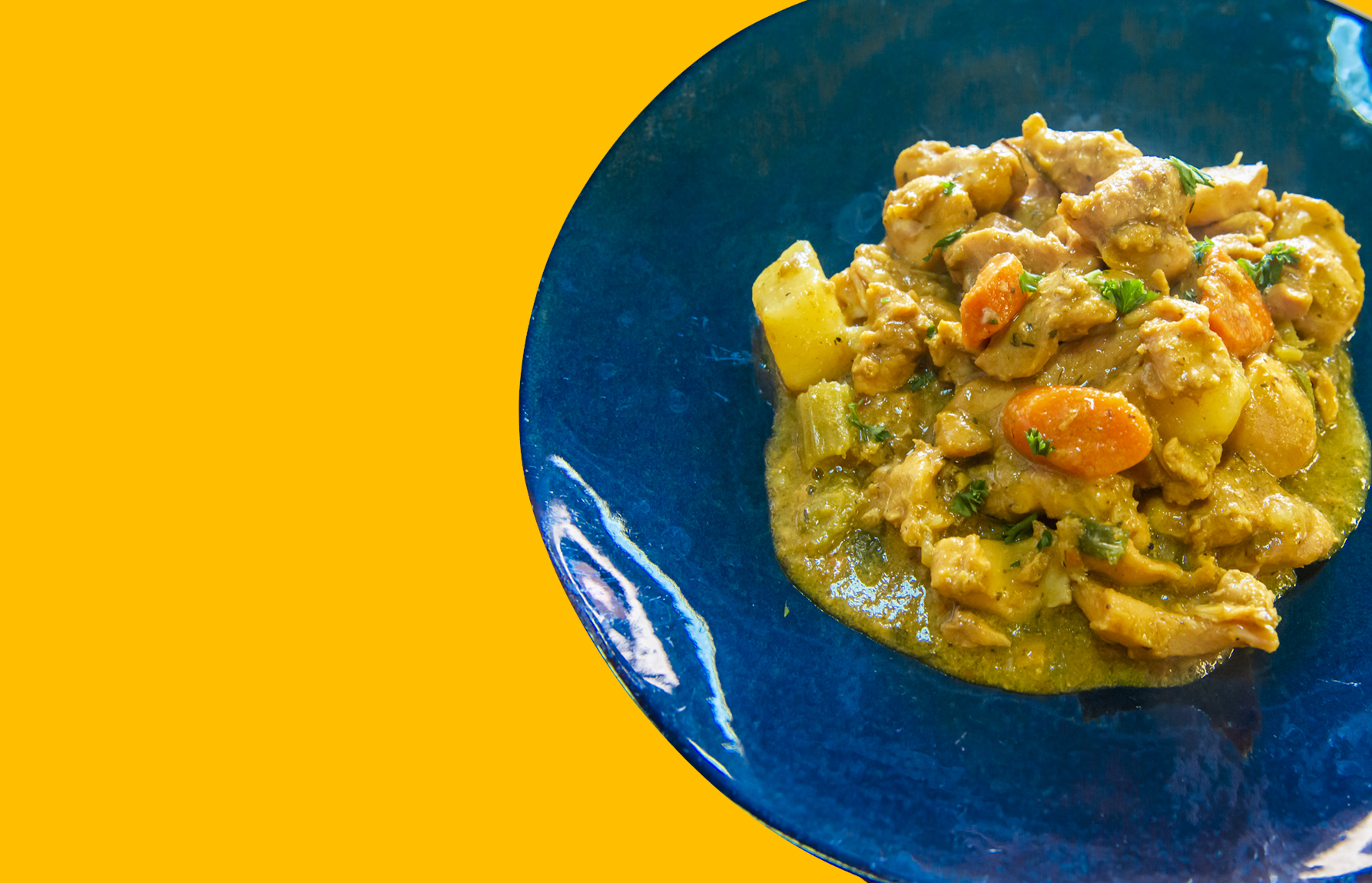
There is a particular moment that happens in many Jamaican kitchens, usually before the food even reaches the table, when the whole house starts to smell alive. Scotch bonnet hangs in the air, thyme releases its sharp, green perfume, scallion softens in hot oil, and something in the pot is browning just enough to deepen into sweetness. That first wave of aroma tells you a lot about homemade Jamaican food. It is not shy, not flat, and never accidental.
People often describe Jamaican food as bold, and that is true, but it does not fully explain why home-cooked versions feel so memorable. The https://gunnerhzdg042.valiantfield.com/posts/authentic-jamaican-food-dishes-worth-cooking-this-weekend difference is not only heat or seasoning. It is layering, timing, inheritance, and restraint. A good Jamaican cook knows when to let a pot bubble, when to cover it, when to leave the pepper whole for fragrance rather than fire, and when to trust that one more minute would ruin the balance. That kind of cooking rarely comes from a recipe card alone.
The special quality of homemade Jamaican food comes from a mix of history, ingredients, technique, and culture. It carries the marks of African, Indigenous, European, Indian, and Chinese influences, yet it feels unified rather than borrowed. In a home kitchen, those influences are not treated like a lesson. They are lived. One family’s curry goat may lean heavy on allspice and black pepper, another may push turmeric and ginger forward, another may simmer until the gravy is almost dark brown. All can be recognizably Jamaican, and all can taste completely different.
Flavor starts long before the stove is on
One of the biggest reasons homemade Jamaican food tastes so distinctive is that flavor often begins in the prep, not just in the cooking. Seasoning meat hours ahead, or even overnight, is common practice. Chicken for brown stew or jerk does not get sprinkled and cooked immediately. It is rubbed, pressed, turned, and left to absorb a green blend that may include scallion, thyme, garlic, onion, pimento, ginger, Scotch bonnet, and a little soy sauce or browning, depending on the dish.
That resting time matters. It changes the interior of the food, not just the exterior. A quick-seasoned piece of chicken can taste good, but a properly marinated one tastes connected all the way through. The same goes for fish escovitch, curry goat, or stew peas with salted meat. In homemade cooking, the seasoning is rarely superficial.
There is also a tactile intelligence at work. Many Jamaican cooks season by hand, rubbing spice into cuts of meat, feeling whether the surface is coated enough, noticing whether the thyme stems are too woody, whether the onion is sliced too thick, whether the pepper should be split or left whole. Measurements can help, but texture and smell often guide the real decision-making.
That is one reason homemade food tastes different from restaurant versions. Restaurants need consistency and speed. Home cooks can wait. They can season at noon for dinner at seven. They can taste the pot midway and decide it needs another sprig of thyme or a pinch of salt. They are cooking for known people, not anonymous covers.
The seasoning itself is unusually expressive
Jamaican food has one of the great seasoning traditions of the Caribbean. It is broad enough to support many dishes, yet distinctive enough that a single bite can feel immediately familiar. A basic green seasoning mix can vary from house to house, but the personality often comes from a few recurring anchors.
Pimento, known elsewhere as allspice, is one of the quiet stars. It gives warmth, sweetness, and depth without making itself obvious. Fresh thyme does something equally important, cutting through richness while adding an almost wild herbal note. Scotch bonnet contributes fruitiness as much as heat, especially when used carefully. It is one of the reasons Jamaican food can taste bright even when the dish is dark, slow-cooked, or deeply savory.
Then there is browning, sometimes homemade from caramelized sugar, sometimes bottled. Used well, it does more than darken gravy. It brings a bittersweet note that supports the savoriness of stewed meats. Used badly, it can turn harsh, which is why experience matters. In many Jamaican kitchens, the line between rich and burnt is understood by instinct.
This complexity helps explain why homemade Jamaican food often tastes fuller than expected. Even simple dishes like rice and peas, cabbage, or fried plantain are rarely one-note. The cook may add a bruised garlic clove to the oil, coconut milk to the rice, black pepper to the cabbage, or a little butter at the end. None of those choices are flashy, but together they create food that tastes finished.
Fire, smoke, and the beauty of controlled intensity
When people outside Jamaica think of Jamaican food, jerk usually comes first. Fair enough. Proper jerk is one of the world’s great cooking traditions. But its brilliance is often misunderstood. It is not simply spicy grilled meat. At its best, jerk is a conversation between smoke, sweetness, heat, spice, and char.
Traditional jerk cooking, especially with pimento wood, creates a flavor that is hard to duplicate exactly at home. Still, homemade jerk can be extraordinary because of the freedom a cook has to tune the balance. Some households like more thyme, some more scallion, some more sweetness from brown sugar, some a harder hit of Scotch bonnet. The result is intensely personal.
Even beyond jerk, smoke and browning matter in Jamaican home cooking. Brown stew chicken is often fried lightly before simmering in gravy. Oxtail may be seared until it develops a serious crust. Ackee and saltfish, though gentler in flavor, still benefits from sautéing aromatics until they mellow. These small acts of controlled intensity are part of why homemade Jamaican food has such presence. It is not overcomplicated, but it is rarely passive.
A useful way to think about it is this:
- Heat builds flavor in Jamaican cooking, but it is not always about pepper.
- Browning deepens sweetness and savoriness at the same time.
- Smoke, whether from jerk or a hard sear, adds memory to the dish.
- Resting time, both before and after cooking, lets strong seasonings settle.
- Acidity, often from vinegar or lime, keeps rich food from feeling heavy.
That balance is where many home cooks shine. They know that a dish can be fiery and still elegant, rich and still fresh.
Staples carry more character than outsiders expect
Part of what makes homemade Jamaican food special is that the side dishes are not afterthoughts. Rice and peas is a perfect example. In less experienced hands, it can be just rice cooked with beans. In a Jamaican home, it often carries coconut milk, thyme, scallion, garlic, Scotch bonnet, and sometimes a touch of ginger. The grains absorb not only liquid but aroma. Every spoonful has structure and flavor.
The same goes for festival, bammy, boiled green banana, roast breadfruit, or plain steamed cabbage. These foods are practical, filling, and rooted in local habit, but they are also built to complement stronger mains. Bammy offers chew and a subtle cassava sweetness against escovitch fish. Festival adds a lightly sweet contrast to jerk. Breadfruit, roasted and split open while still steaming, can be both comfort food and a statement of place.
In homemade meals, these staples also reflect judgment. A cook might choose white rice with curry goat because the sauce is powerful enough on its own. Another might serve rice and peas because the meal is for Sunday and should feel complete. Someone else might make ground provisions for soup because the weather is wet and soup is what the day calls for. These decisions shape the emotional tone of the meal.
Slow cooking creates depth that cannot be rushed
Some of the most beloved Jamaican dishes rely on time. Oxtail, curry goat, mannish water, stew peas, red peas soup, cow foot. These are not foods that reward impatience. They need simmering, reduction, softening, and the kind of observation that does not fit neatly into a timer.
Stew peas is a good example of how homemade food becomes greater than its ingredients. Kidney beans, coconut milk, salted meat or pigtail, dumplings, herbs, and sometimes spinners all come together in one pot. It is substantial, but the appeal is not just heaviness. A good pot has creaminess from the peas, smokiness from the meat, spice from pepper, and body from the starches. Every element has given something to the liquid. That communal quality, everything seasoning everything else, is central to the feel of Jamaican home cooking.
Goat curry works similarly. When the meat has been properly seasoned and then simmered until tender, the gravy becomes more than sauce. It holds the memory of the marinade, the sweetness of softened onion, the fat of the meat, and the earthy bitterness of curry powder toasted at the beginning. A rushed version tastes separate. A patient version tastes joined up.
That is one area where homemade Jamaican food often surpasses restaurant food. Restaurants can produce excellent dishes, but a home cook making one pot for one table can afford to chase the last 10 percent of flavor. They can wait for the gravy to tighten naturally instead of forcing it. They can stop the heat and let the pot rest before serving. Those details show.
The ingredients taste like where they come from
Another reason homemade Jamaican food feels special is the close relationship between the cuisine and the island’s agriculture. Even when people cook Jamaican food abroad, they often seek specific ingredients because the flavor depends on them. Scotch bonnet is not interchangeable with every hot pepper. Jamaican thyme tastes different from dried supermarket thyme. Real pimento has a roundness that powdered allspice cannot fully mimic. Callaloo, cho cho, yellow yam, sorrel, breadfruit, and fresh coconut all bring a local logic to the plate.
Of course, diaspora cooks adapt. They use what they can get. Some substitutes work well enough, others never quite do. That tension is part of the story too. Homemade Jamaican food has always involved resourcefulness. It is a cuisine shaped not only by abundance, but by making something magnificent from what is available.
That practical intelligence shows up in kitchens everywhere from Kingston to London to Toronto to New York. If fresh pimento leaves are unavailable, a cook may lean harder on berries. If the right yam cannot be found, another starch may stand in. If a backyard jerk pan is impossible, the oven gets the job done with a few strategic adjustments. The best cooks know what can bend and what should not.
Family methods matter as much as formal recipes
Talk to enough Jamaican cooks and you will notice that many recipes are described in relational terms. Enough water to cover the peas by a finger’s width. Fry the chicken until it takes on color. Add the pepper, but do not burst it unless the family likes heat. Let it cook until the oil rises a little at the top. These are not vague instructions to the people who grew up with them. They are sensory cues.
That is why two pots of the same dish can taste so different and still be correct. One household’s fried dumpling is dense and sturdy, another’s is puffed and tender. One person’s cocoa tea is heavily spiced, another’s is more direct and chocolate-forward. Some like their ackee barely stirred to preserve larger curds, others cook it down slightly more. These are not mistakes. They are signatures.
Homemade Jamaican food often tastes special because it contains memory in a way restaurant food rarely can. A person may swear one soup is better because it tastes like Saturday mornings at their grandmother’s house. Another may prefer less sweetness in plantain because that is how it was done at home. Flavor here is tied to belonging.
Balance is the hidden skill
Outsiders sometimes focus on the loudest notes in Jamaican food, the heat, the smoke, the richness, and miss the balancing act underneath. Good Jamaican cooking is not a pile-on of spice. It is controlled contrast.
Escovitch fish is a clear example. The fish itself may be crisp and simply seasoned, but it is topped with a sharp, pickled mixture of carrot, onion, and Scotch bonnet. The acid cuts the fried richness. Curry goat gets depth from fat and spice, but often lands next to plain rice or a clean slaw. Jerk chicken may be paired with festival or a cool drink that softens the fire. Sorrel at Christmas brings tartness against heavy holiday dishes.
Even breakfast shows this instinct. Saltfish is salty by nature, so it is cooked with ackee, onion, tomato, black pepper, and herbs to round it out. Callaloo, which can taste earthy and mineral, is often sautéed with onion, garlic, thyme, and a little Scotch bonnet to brighten it.
Homemade cooks tend to understand this intuitively. They are not just making dishes. They are making a plate that works.
Why certain dishes seem impossible to forget
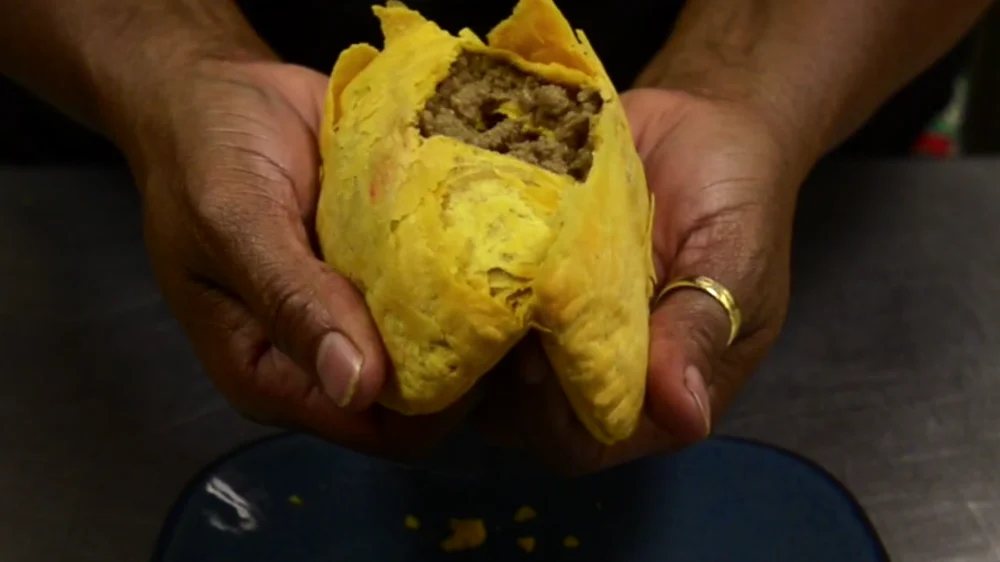
Every cuisine has foods that stay with people, but Jamaican food has an unusual number of dishes that imprint themselves after one excellent version. Not because they are exotic, which is a lazy word, but because they hit several senses at once. Think of a proper patty with its flaky crust, fragrant filling, and unmistakable turmeric hue. Or roast breadfruit eaten hot, with salted mackerel and a little butter melting into the flesh. Or jerk pork chopped to order, edges charred, interior juicy, sauce running onto foil.
These foods create memory because they combine comfort and intensity. They are satisfying in a basic, physical way, but they also keep revealing layers. First comes heat, then sweetness, then smoke, then herb, then pepper again. That progression makes the food feel generous.
Homemade versions often go further because they are less standardized. A home cook may use more onion in the patty filling, less breadcrumb, more Scotch bonnet in the jerk paste, or a touch of nutmeg in the stew. Those choices can make the dish feel more alive than a polished commercial version.
The social setting changes the taste
Food does not exist apart from the people eating it, and Jamaican food is especially shaped by occasion. Sunday dinner is not the same as a quick weekday meal. Christmas sorrel and black cake carry a different emotional weight than a plate of rice and sardine on an ordinary afternoon. Fish tea at the beach tastes different from fish tea in a city apartment, even if the ingredients are close.
Homemade food benefits from this context. It is cooked for a gathering, a ritual, a craving, a weather pattern, a family expectation. That makes the experience feel fuller. You are not just tasting curry chicken. You are tasting someone’s idea of how the house should smell on a Saturday, how guests should be welcomed, how children should remember home.
That may sound sentimental, but it is practical too. Cooks often adjust seasoning based on who is eating. Less pepper for one aunt, softer dumplings for a grandparent, more gravy because someone likes to soak the rice. These edits make the meal feel exact. Precision in hospitality is one of the underrated reasons homemade Jamaican food stands out.
What home cooks know that recipes often miss
Recipes can teach the framework, but they often flatten the judgment that gives Jamaican food its soul. They may tell you to simmer for 45 minutes when the real answer is until the meat softens and the gravy tastes settled. They may list one Scotch bonnet when the correct amount depends on size, age, and your intention. They may specify canned coconut milk without acknowledging that some brands are rich and sweet while others are thin and dull.
Experienced cooks pay attention to a short set of signals:
- whether the raw seasoning smells balanced before it ever hits the pot
- whether the oil has carried the aromatics enough to mellow them
- whether the pepper should perfume the dish or actively heat it
- whether the gravy needs reduction, salt, or simply time
- whether the food tastes like itself, not just like seasoning
That last point matters. Good curry goat should still taste like goat. Brown stew fish should taste like fish, not only like browning and pepper. Jamaican cooking is assertive, but it is not meant to erase the main ingredient.
The special quality is care made visible
At its best, homemade Jamaican food tastes special because it reveals effort without becoming fussy. The food is often generous, deeply seasoned, and meant to satisfy, but it also reflects close attention. Someone washed the rice properly. Someone tasted the pot twice. Someone knew not to overwork the ackee. Someone let the chicken rest after frying before it went into gravy. These are ordinary acts, yet they add up to extraordinary meals.
There is also honesty in the food. It does not hide what it is. A good bowl of red peas soup tells you it took time. A plate of oxtail tells you someone was willing to wait for tenderness. A piece of escovitch fish tells you someone knew acid and heat were as important as crunch. Homemade Jamaican food earns its flavor.
That is why it lingers. Not because it is loud, though it can be. Not because it is trendy, though it should be respected more widely. It lingers because it is built on memory, patience, agriculture, technique, and a powerful understanding of balance. When it is cooked at home, with the freedom to season properly and the confidence to trust the senses, Jamaican food becomes more than a meal. It becomes a record of knowledge passed hand to hand, pot to pot, generation to generation.
And you can taste every bit of that.
Reggae Pot Jamaican Grill
2243 S Monaco St Pkwy #104
Denver, CO 80222
+1 720-410-2956
FAQ About jamaican food
What is the best Jamaican food to try in Denver?
The best choice depends on your tastes. Popular options include jerk chicken, curry goat, slow-cooked oxtail, and savory patties. Reggae Pot lists these dishes on its menu, with sides such as rice and peas and plantains. Ask the Denver team about current availability and spice levels.
Is Jamaican food very spicy in Denver?
Heat varies by dish and preparation. Jerk seasoning often includes scotch bonnet peppers alongside herbs and allspice, while other dishes may have gentler seasoning. Ask about the heat of the specific dish and any sauce before ordering.
What are some popular Jamaican snacks?
Jamaican patties are a popular snack made with flaky pastry and savory meat or vegetable fillings. Other options include fried dumplings and festival, a sweet fried dough often served with savory dishes. Availability varies, so check the current menu when ordering.